
Quiet home backup power matters when outages interrupt sleep, remote work, and everyday routines. Portable power stations offer a practical way to keep essential devices running without the loud engine noise, fuel smell, or constant vibration associated with many traditional backup systems. Their low-noise design makes them especially useful in bedrooms, home offices, apartments, and shared family spaces where comfort is important. For homeowners who want dependable emergency energy without turning the house into a noisy worksite, portable power stations provide a more peaceful backup solution while still supporting lights, communications, and other daily necessities.
How Portable Power Stations Create a Quieter Backup Experience?
Reducing Noise Compared With Traditional Backup Options
Portable power stations create a quieter backup experience because they do not rely on combustion engines. Instead of the sharp mechanical noise, exhaust, and vibration often associated with conventional generators, they store energy in batteries and deliver it electronically. That difference significantly lowers perceived noise indoors and outdoors. For home use, this means conversations remain easier, sleep disruption is reduced, and neighbors are less likely to be disturbed during an outage. Quiet backup power also feels less stressful during emergencies, especially at night. Models designed for low-noise operation can be especially appealing for households prioritizing comfort. One example is the Anker SOLIX C2000 Gen 2 Portable Power Station, rated at 30dB quiet power.
Supporting Comfortable Use in Living Spaces and Work Areas
A quiet portable power station fits more naturally into the places where people actually spend time. In a bedroom, lower operating noise helps maintain a calmer environment while supporting lamps, phone charging, medical devices, or a fan. In a home office, quieter backup power allows calls, meetings, and focused work to continue with fewer distractions. This matters during short outages as well as longer interruptions. Because portable power stations produce less disruption, users can place them closer to essential devices without making the room uncomfortable. They also avoid the fumes and engine rumble that can limit where other backup options are used, making them better suited for everyday home environments and indoor convenience.
Key Factors That Affect Portable Power Station Noise Levels
Cooling Systems, Fan Operation, and Power Output Demands
Most portable power station noise comes from cooling rather than power delivery itself. Internal fans switch on when temperature rises, and fan speed often increases as the unit supports heavier loads or faster charging. That means a station may sound very quiet when powering a router and a few lights, yet become more noticeable when running high-wattage appliances. Vent design, thermal management, and component layout all influence how often cooling activates and how loud it becomes. For buyers comparing models, it helps to look beyond a simple noise number and consider likely usage patterns. Lower sustained loads typically support quieter operation, while demanding appliances can trigger more frequent fan activity during backup.
Battery Technology and Efficient Energy Management
Battery technology also influences how quietly a portable power station operates. Efficient battery systems generate less excess heat during charging and discharging, which can reduce the need for aggressive cooling. Smart energy management helps even more by balancing output, monitoring temperature, and directing power where it is needed without unnecessary strain. Better electronics can keep performance stable while limiting fan use in normal conditions. Transfer speed is another practical factor for home backup. A model such as the Anker SOLIX C2000 Gen 2 Portable Power Station combines 10ms instant backup with quiet operation, making it useful for sensitive home setups that benefit from both continuity and comfort during unexpected power interruptions.
Choosing Quiet Backup Power for Different Home Situations
Backup Power for Bedrooms, Offices, and Daily Essentials
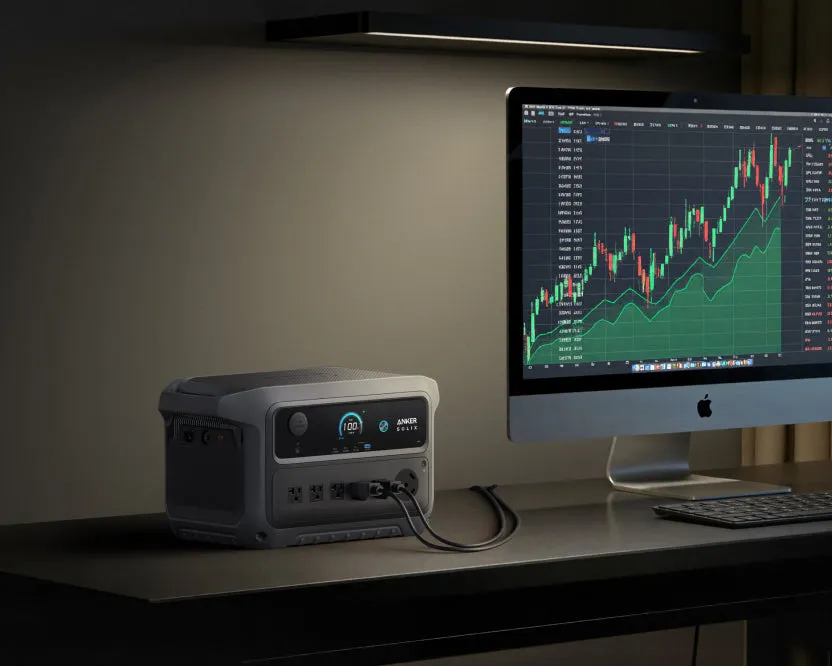
Choosing quiet backup power starts with identifying what needs to stay on during an outage. For bedrooms, users often prioritize lamps, phones, CPAP machines, and small fans, so low-noise operation becomes just as important as battery capacity. In home offices, backup needs may include a modem, laptop, monitor, and desk lighting, where stable power and limited sound support productivity. For daily essentials elsewhere in the home, many people focus on charging devices, keeping internet access available, and running small electronics comfortably. A portable power station that remains unobtrusive at low to moderate loads usually suits these settings best, especially when it may be used close to where people sleep or work.
Emergency Preparedness With Reliable and Comfortable Operation
Emergency preparedness improves when backup power is both reliable and comfortable to use. During storms, grid failures, or overnight outages, a quieter system makes it easier to rest, communicate, and manage essential tasks without adding more stress to the situation. Comfort matters because backup power often runs near occupied rooms, not in isolated utility areas. A well-chosen portable power station supports practical resilience by keeping lights, phones, radios, and key electronics available while maintaining a more livable home environment. For families building an emergency plan, quiet operation should be considered alongside capacity, charging speed, and backup responsiveness, because a system people can tolerate easily is one they are more likely to use effectively.
Conclusion
Portable power stations offer a clear advantage for homeowners who want backup energy without the disruptive sound of traditional alternatives. Their battery-based design supports quieter operation, better comfort in living spaces, and more practical use during work, rest, and emergencies. Noise levels still depend on cooling design, power demand, and energy management, so choosing the right unit means matching performance to the way it will be used at home. For bedrooms, offices, and essential devices, quiet home backup power can make outages far easier to handle. A low-noise portable power station delivers reliable support while helping the home remain calm and functional.