
Introduction
Fitness plays a crucial role in maintaining health, independence, and overall quality of life as people age. As a result, independent living communities have increasingly focused on creating wellness programs that support both physical and mental well-being. Modern communities recognize that today’s older adults want more than just a comfortable place to live. They want opportunities to stay active, build social connections, and pursue healthy lifestyles that help them remain independent for as long as possible.
To meet these expectations, many independent living communities offer a diverse selection of fitness options designed to accommodate varying ability levels, interests, and health goals. From strength training and cardiovascular exercise to group classes and outdoor recreation, these programs help residents enjoy active and fulfilling lifestyles.
Strength and Balance Training for Everyday Independence
One of the top fitness priorities in independent living communities is strength and balance training. Maintaining muscle strength becomes increasingly important with age because it helps individuals perform everyday tasks safely and confidently. Activities such as carrying groceries, climbing stairs, and getting in and out of chairs all rely on adequate strength and stability.
Many communities offer instructor-led classes that focus on resistance exercises using light weights, resistance bands, or bodyweight movements. These workouts are typically designed to enhance mobility, coordination, and overall functional fitness rather than emphasizing intense athletic performance.
Balance-focused exercises are equally important because they help reduce the risk of falls, which can have significant consequences for older adults. Programs often include stretching routines, balance drills, and low-impact movement exercises that improve confidence and physical stability.
Low-Impact Cardio Programs That Support Heart Health
Cardiovascular fitness remains a major component of healthy aging, which is why many independent living communities prioritize low-impact aerobic activities. These exercises help support heart health, circulation, endurance, and energy levels without placing excessive stress on joints.
Walking clubs are among the most popular fitness offerings because they provide both exercise and social interaction. Residents can enjoy organized walks throughout community grounds, nearby parks, or designated walking paths. Some communities also feature indoor walking areas that allow year-round participation regardless of weather conditions.
Other common options include stationary cycling classes, water aerobics, and low-impact dance programs. These activities allow residents to elevate their heart rates while enjoying safe and comfortable exercise environments. Consistent participation often helps residents maintain higher activity levels and supports long-term wellness goals.
Group Fitness Classes Encourage Social Engagement
Fitness is often more enjoyable when it includes opportunities to connect with others. For this reason, group exercise programs are a cornerstone of many independent living communities.
Classes such as yoga, Pilates, tai chi, stretching sessions, and chair-based fitness programs are frequently offered throughout the week. These structured activities provide guidance from trained instructors while creating an environment where residents can encourage and motivate one another.
Many communities understand that social wellness and physical wellness often go hand in hand. Participating in group classes can help reduce feelings of isolation while fostering friendships among residents. This combination of movement and social interaction contributes to a healthier and more enjoyable lifestyle overall.
In communities that emphasize comprehensive wellness models, including independent Living with supportive services** in Glendale, fitness programs are often integrated with broader health initiatives that promote physical activity, mental engagement, and social connection as part of everyday life.
Outdoor Recreation and Active Lifestyle Opportunities
Modern independent living communities increasingly recognize the value of outdoor activity. Access to fresh air, natural surroundings, and recreational spaces can provide both physical and emotional benefits.
Many communities invest in walking trails, community gardens, pickleball courts, bocce courts, and outdoor fitness stations. These amenities encourage residents to remain active while enjoying a change of scenery from indoor exercise environments.
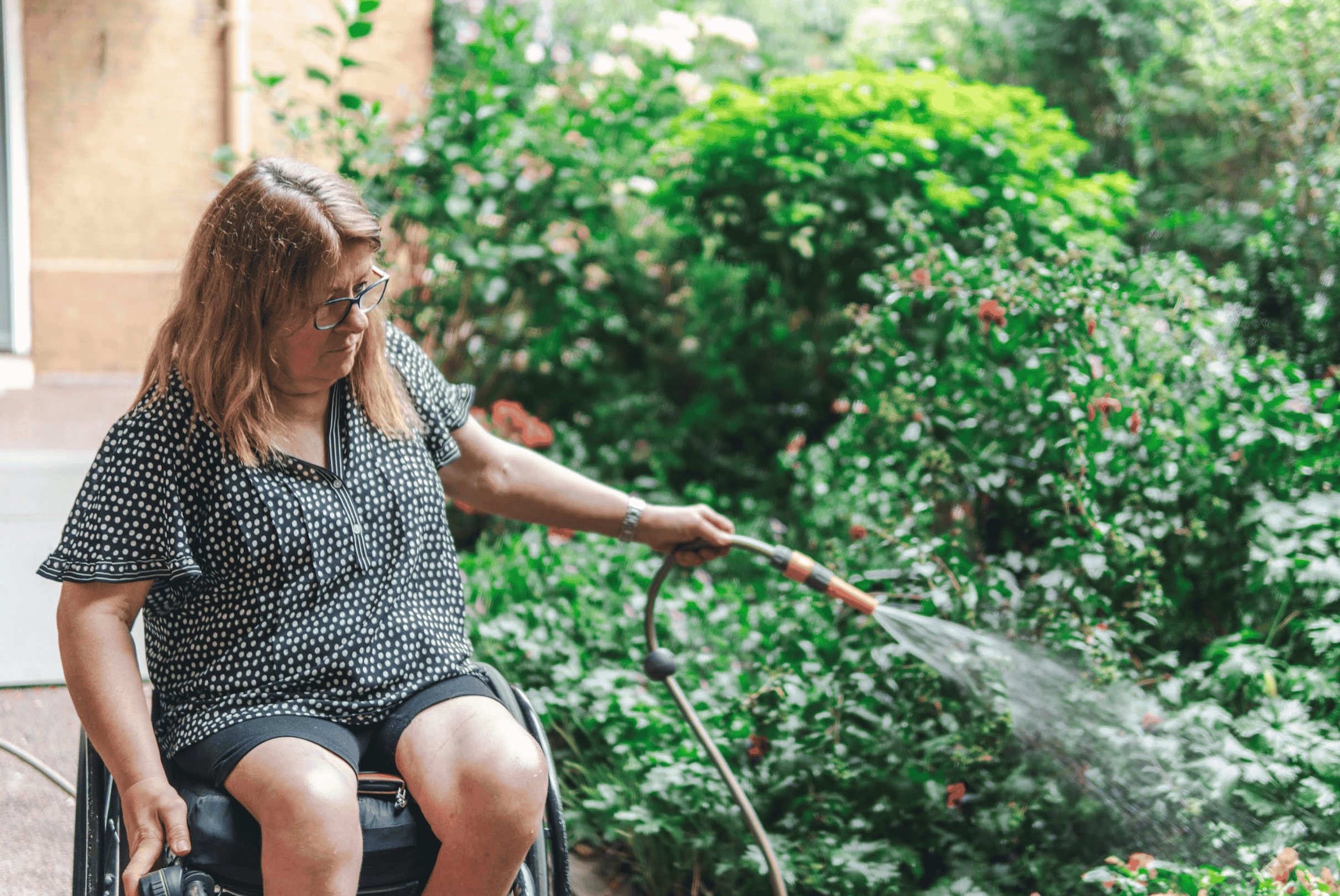
Gardening programs are particularly popular because they combine gentle physical activity with a rewarding hobby. Residents often enjoy spending time outdoors while engaging in meaningful activities that contribute to a sense of accomplishment.
Outdoor recreation also supports mental wellness by reducing stress and promoting relaxation. Whether participating in organized sports, tending a garden, or taking a leisurely walk, residents benefit from opportunities to stay engaged with the outdoor environment.
Personalized Wellness and Fitness Support
Another emerging priority among independent living communities is personalized wellness programming. Community leaders increasingly understand that every resident has unique abilities, health considerations, and fitness goals.
Rather than offering a one-size-fits-all approach, many communities provide individualized fitness assessments and customized recommendations. Residents may work with wellness coordinators, fitness instructors, or health professionals to develop activity plans that align with their personal objectives.
This personalized approach helps ensure that residents can participate safely and effectively regardless of their starting fitness level. Some individuals may focus on improving flexibility, while others may seek to build strength, increase endurance, or recover from previous health challenges.
Technology is also becoming part of the fitness experience. Fitness tracking devices, virtual exercise classes, and digital wellness tools allow residents to monitor progress and stay motivated while pursuing their health goals.
Conclusion
Independent living communities prioritize fitness because staying active is one of the most effective ways to support long-term health, mobility, and independence. Through strength training, balance exercises, cardiovascular programs, group fitness classes, outdoor recreation, and personalized wellness plans, these communities create environments that encourage healthy and active lifestyles.
As expectations for senior living continue to evolve, fitness will remain a central component of community life. By offering a variety of engaging and accessible wellness opportunities, independent living communities help residents maintain their independence, improve their quality of life, and enjoy a vibrant and fulfilling retirement experience.