
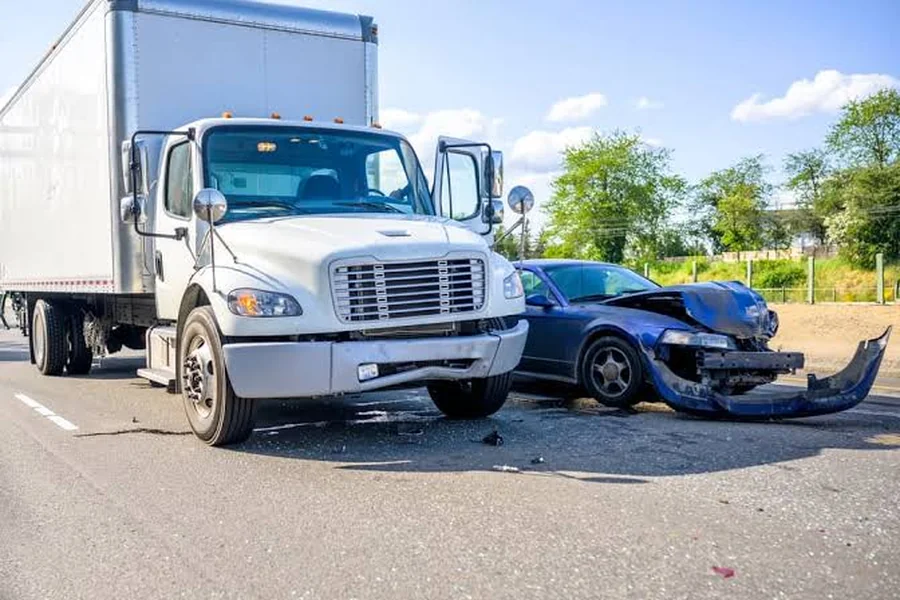
Traffic accidents can happen in a matter of seconds, but the legal and financial consequences may last much longer. While any serious collision can create questions about liability and compensation, crashes involving commercial trucks are often more complicated than accidents between two passenger vehicles.
Large trucks are subject to additional regulations, may be operated by companies with extensive insurance coverage, and can involve multiple businesses responsible for getting a truck and its cargo onto the road. Understanding these differences can help explain why truck accident claims often require a closer investigation.
Multiple Parties May Be Responsible
In a typical car accident, determining liability often begins with the actions of the drivers involved. Truck accidents can involve considerably more parties.
Depending on the circumstances, potentially responsible parties may include:
- The truck driver
- The trucking company
- The owner of the truck or trailer
- A cargo loading company
- A maintenance or repair company
- A parts manufacturer
- Another contractor involved in the shipment
For example, a truck driver may have caused a collision after losing control of the vehicle, but investigators may later discover that improper maintenance contributed to a brake failure.
Determining which parties contributed to the accident can be an important part of pursuing a truck accident claim.
Commercial Trucks Are Subject to Additional Regulations
Commercial trucking companies and drivers must follow federal and state safety regulations that generally do not apply to ordinary motorists.
These regulations can address matters such as driver qualifications, hours of service, vehicle maintenance, cargo securement, inspections, and recordkeeping.
Hours-of-service regulations are particularly important because they limit how long many commercial drivers can operate without taking required breaks. The rules are intended to reduce accidents caused by driver fatigue.
When a serious collision occurs, reviewing compliance records may help determine whether a trucking regulation was violated before the crash.
Trucking Companies May Possess Important Evidence
Truck accident investigations can involve considerably more evidence than a typical traffic collision.
Potential evidence may include:
- Electronic logging device records
- Driver qualification records
- Maintenance and inspection reports
- Dispatch records
- Cargo documentation
- GPS information
- Vehicle data
- Dash camera footage
- Drug and alcohol testing records
Some commercial trucks are also equipped with electronic systems that record information about the vehicle immediately before a collision.
Because this information can become important when establishing what happened, an experienced truck accident lawyer may investigate available records and other evidence when evaluating a serious commercial vehicle accident.
Injuries Can Be More Severe
A fully loaded commercial truck can weigh substantially more than a passenger vehicle. The difference in size and weight means occupants of smaller vehicles can suffer devastating injuries when the two collide.
Truck accidents may result in injuries such as traumatic brain injuries, spinal cord injuries, broken bones, internal injuries, and permanent disabilities.
Serious injuries can also create significant financial losses. Medical treatment, rehabilitation, lost income, reduced earning capacity, and future care requirements may all become relevant when determining the value of an injury claim.
In cases involving significant injuries, a personal injury attorney may also help evaluate the broader financial impact of the accident, including both current losses and potential future expenses.
Insurance Issues May Be More Complicated
Commercial trucks generally carry different insurance policies than ordinary passenger vehicles. Depending on the businesses involved, several insurance policies could potentially apply to the same collision.
Insurance companies may also conduct their own investigations shortly after a serious accident.
For an injured person, determining which policies apply and how much coverage is available can add another layer of complexity to the claims process.
Determining the Cause Requires a Thorough Investigation
Truck accidents can occur for many reasons, including speeding, distracted driving, fatigue, unsafe lane changes, improper loading, mechanical failures, and inadequate maintenance.
In some crashes, more than one factor contributes to the collision.
A complete investigation may involve reviewing the crash scene, vehicle damage, witness statements, police reports, electronic data, maintenance records, and trucking company documents.
The goal is not simply to determine what happened in the seconds before the collision but also whether decisions made earlier contributed to the accident.
Final Thoughts
Truck accidents differ from ordinary car crashes because they can involve commercial regulations, multiple businesses, complicated insurance coverage, and substantial amounts of evidence.
When a serious truck accident occurs, determining responsibility may require examining the conduct of the driver as well as the trucking company and other businesses involved in operating, maintaining, or loading the vehicle.
Understanding these additional factors can help accident victims better understand why commercial truck collision claims often require a more detailed investigation than ordinary traffic accidents.