
Daily, thousands suffer from lingering neck pain that persists even after healing. The sudden trauma to the neck can cause difficulty in performing a simple task whether it be glancing at the phone or performing household chores.
If you’ve ever dealt with it in the past, you must have heard about cervical collar.
However, because no neck pains are alike, the neck collar used for it differs too. Using the wrong collar type or wearing one when you shouldn’t can actually do more harm than good.
Understanding how the neck belt actually works, which one to choose and how to correctly use it, can bring significant change in the neck pain during the healing phase. This guide will help you learn what the neck collar actually does when it’s strapped on.
Let’s explore!
What Is A Cervical Collar?
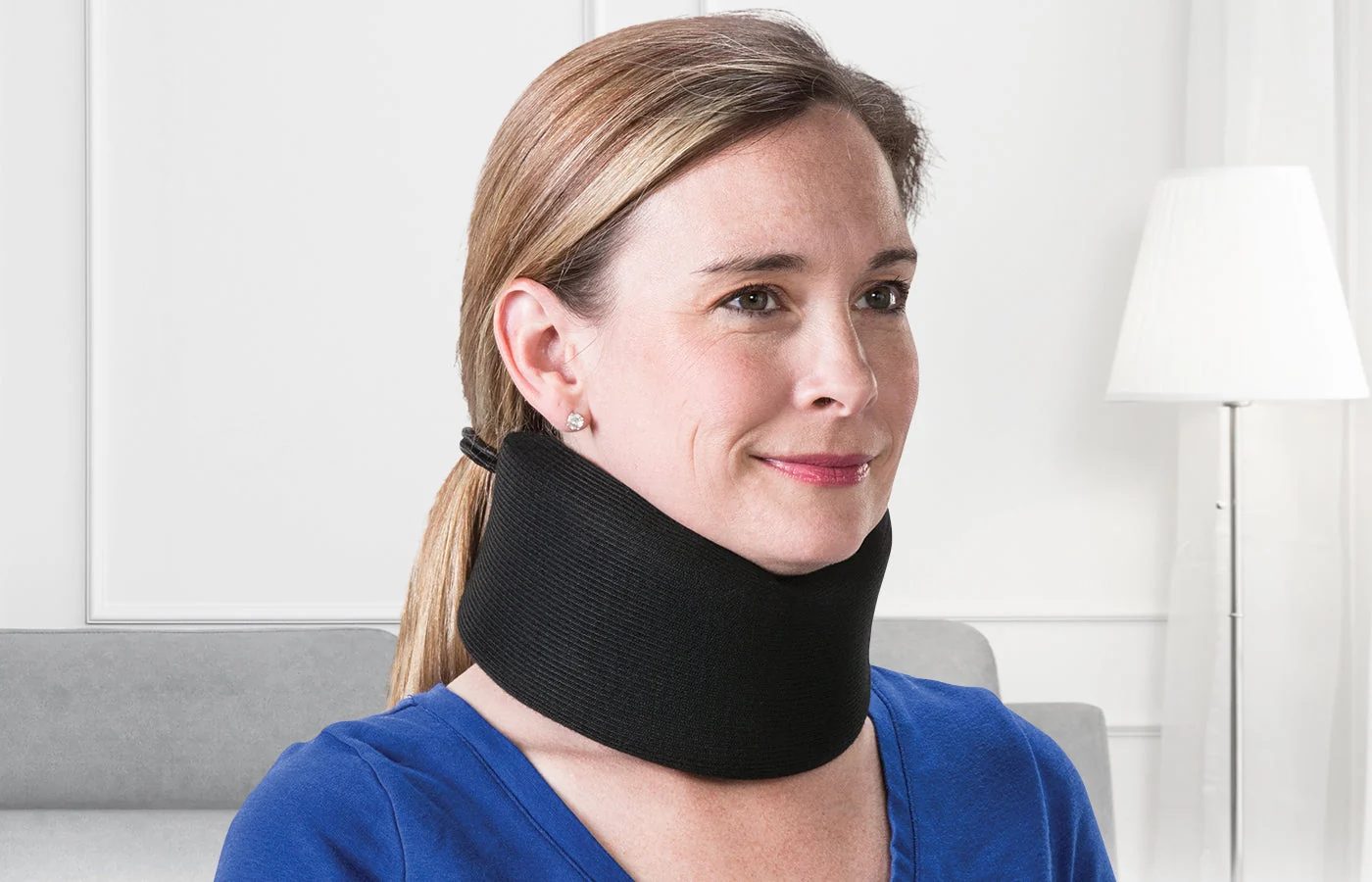
A cervical collar is also known as a neck collar which is a supportive device that wraps around the neck to limit their movement.
It is commonly used to take off pressure from the neck area and protect the spinal cord. This can ease the tension and can give injured tissues a chance to heal.
Types Of Collars Generally Used
Cervical collars are classified into two major types. Soft collars for gentle cushioned support during minor neck strains and hard rigid collars that completely restrict movement for serious medical injuries.
Let’s compare both of them in the table below
| FEATURE | SOFT CERVICAL COLLAR | HARD CERVICAL COLLAR |
| Material | Thick flexible foam covered in cotton or fabric | Firm rigid plastic with padded lining or inserts |
| Movement Control | Minimal restriction | Strictly limits movement |
| Fitting | Flexible, easily adjusted with a hook and loop strap | Rigidly, often requires fitting and adjustments with straps or chin pieces |
| Weight Support | Light support | Completely unloads the neck |
| Comfort | Highly comfortable and breathable | Bulky and can cause skin irritation |
| Primary Use |
|
|
How Does A Neck Belt Work For Neck Pain?
- Rests Strained Muscles
During an injury, the surrounding muscles tightly contract causing painful spasms. The collar acts as an external support system which allows muscles to fully recover.
- Reduces Weight and Pressure
A cervical collar transfers head weight away from the neck to shoulders and chest. This instantly unloads the pressure on your cervical spine, discs and irritated nerves.
- Serves as a Behavioral Reminder
For milder injuries, a collar serves as an awareness tool to the brain. It constantly reminds it to maintain proper safe posture.
- Immobilizes the Spine
By restriction, a collar prevents extreme movements. For severe injuries like fractures, this immobilization keeps unstable bones aligned to prevent spinal cord damage.
- Promotes Tissue Healing
A collar protects the delicate areas of the neck. This restriction of movement accelerates tissue repair after an injury or surgery.
When Does A Cervical Collar Actually Help?
-
Trauma and Injury Stabilization
Rigid collars are used in emergency care after accidents and injuries to prevent spinal cord damage.
-
After Spinal Surgery
A hard collar is used to immobilize the neck and allows healing post surgery.
-
Severe Muscle Spasms
Used short term to ease spasmed neck muscles.
-
Whiplash Recovery
Used briefly after sudden rear-end accidents to support strained neck muscles and ligaments.
-
Cervical Radiculopathy
Reduces pressure on irritated nerves by reducing overall weight on the neck, thus easing nerve numbness.
-
Chronic Conditions
Conditions like advanced cervical osteoarthritis use the collar to manage acute pain.
How Long Should You Wear It?
The duration for wearing a collar completely depends on the type and the underlying medical condition. Severity of the injury is the key determining factor for its duration.
Soft collars for minor strains are typically used for only a few hours a day or under 10 days. Rigid collars for severe injuries or post-surgery care are generally worn continuously for 6 to 12 weeks.
Side Effects of Prolonged Cervical Collar Wear
-
Throat Discomfort
A collar with improper fit can tighten around your throat and hinder normal breathing or swallowing.
-
Increased Stiffness
Immobilizing your neck for too long which stiffens your joints and decreases your natural range of motion.
-
Muscle Atrophy
Prolonged or continuous wear makes your deep neck muscles lazy and weak, worsening pain over time.
-
Skin Irritation and Sores
Trapped heat and sweat can affect the skin around the chin and jaw.
Safe Usage Guidelines
-
Avoid Self Prescribing
Only wear a collar after proper diagnosis.
-
Never Drive While Wearing It
Collars block the side to side rotation, making it difficult to operate a vehicle.
-
Prioritize Movement
Gentle active movement and prescribed physical therapy are more ideal for managing spondylosis than complete immobilization.
Wrapping Up
Cervical collars are a medical tool for the conditions of acute injury, post surgery recovery or emergency stabilization. But, they are not a solution to your everyday neck pain.
Overuse of the wrong type of neck belt can lead to complications like atrophy and muscle weakness. It can further slow down your recovery.
Always consult a healthcare professional before buying and wearing it. Expert advice will help you choose the right support correctly and only for as long as your body needs it.