
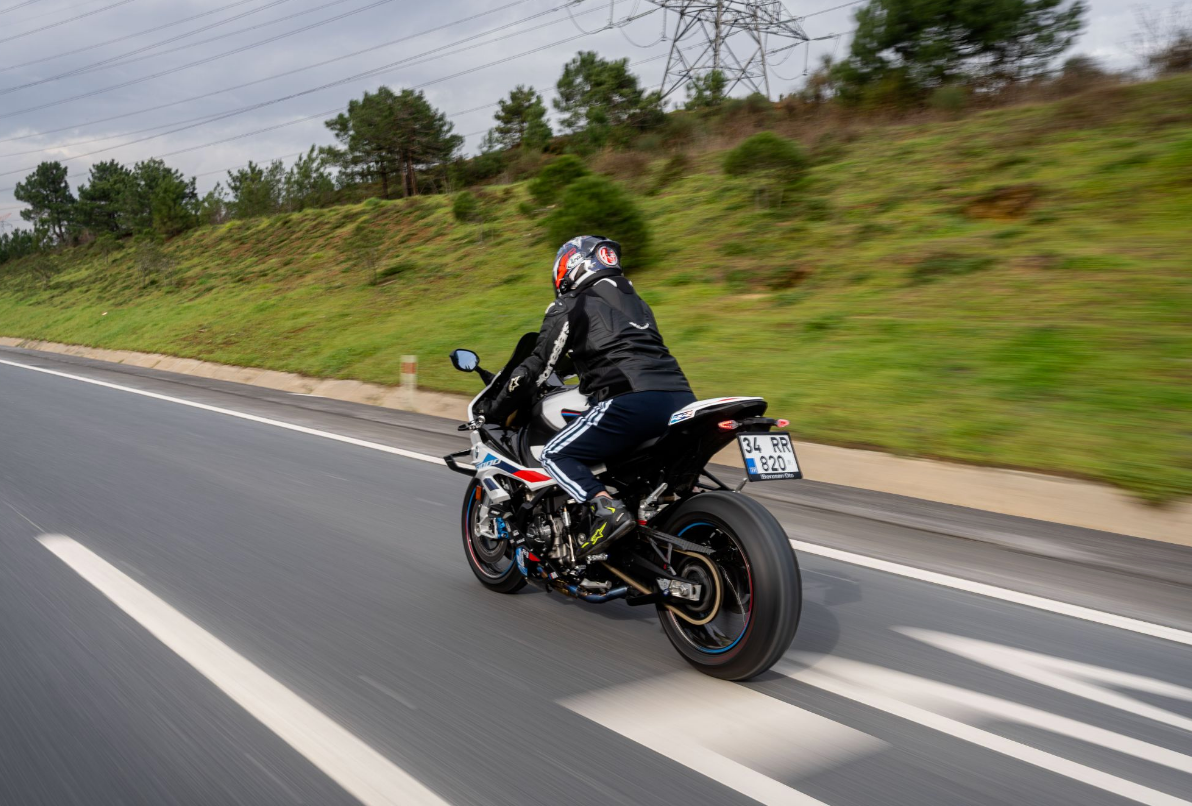
Motorcycle insurance gets purchased the same way auto insurance does for most riders — quickly, with minimal attention to the specifics, and with an assumption that the coverage works roughly the way car insurance does. That assumption isn’t entirely wrong, but it misses enough of the actual differences that riders are sometimes surprised by what their policy does and doesn’t address when they actually need to file a claim.
Understanding what motorcycle insurance covers, and where the coverage categories differ meaningfully from auto policies, matters more for riders than it does for most drivers — partly because the financial and physical stakes of a motorcycle accident tend to be higher, and partly because motorcycle-specific risks exist that standard auto coverage frameworks weren’t built to address.
Liability Coverage
Liability coverage forms the foundation of nearly every motorcycle policy, and it functions similarly to auto liability — covering bodily injury and property damage the rider causes to others in an at-fault accident. Most states require some minimum liability coverage to legally operate a motorcycle, though the required minimums and how they’re structured vary by state.
State requirements differ enough that riders moving between states, or those who split time seasonally between locations, should confirm what’s required where the bike is registered and primarily ridden. Motorcycle insurance Texas requirements, for example, follow a minimum liability structure similar to the state’s auto insurance requirements, but riders frequently carry higher limits than the state minimum given the severity of injuries that motorcycle accidents tend to produce relative to typical auto accidents — a gap between legal minimum and genuinely adequate coverage that’s worth addressing directly rather than defaulting to whatever the state requires.
Collision and Comprehensive
Collision coverage pays for damage to the rider’s own motorcycle resulting from a collision, regardless of fault. Comprehensive coverage addresses damage from non-collision events — theft, vandalism, weather damage, fire. Both are optional in most states but functionally necessary for any rider who couldn’t comfortably absorb the cost of replacing or repairing the bike out of pocket.
The valuation of the motorcycle matters significantly here, particularly for custom or modified bikes where standard valuation methods may not reflect the actual replacement cost. Riders who’ve invested in custom parts, aftermarket modifications, or upgraded components should confirm whether their policy’s valuation method accounts for those additions, since a standard actual cash value settlement may significantly undervalue a heavily customized bike relative to what it would actually cost to replace.
Medical Payments and Personal Injury Protection
The injury severity gap between motorcycle and auto accidents makes medical coverage particularly consequential for riders. Medical payments coverage and personal injury protection, where available, cover medical expenses for the rider regardless of fault, supplementing or substituting for health insurance depending on the specifics of both policies.
This coverage category deserves more attention than riders typically give it. Motorcycle accidents produce injuries that frequently exceed what standard health insurance deductibles and out-of-pocket maximums anticipate, and riders without adequate medical coverage on their motorcycle policy can face significant financial exposure even with otherwise solid health insurance.
Uninsured and Underinsured Motorist Coverage
This coverage protects the rider when the at-fault party in an accident either has no insurance or has insurance with limits too low to cover the actual damages. Given that a meaningful percentage of drivers on the road carry minimum liability coverage or no coverage at all, and given the severity of injuries that motorcycle accidents tend to produce, this coverage category carries outsized importance for riders specifically.
Underinsured motorist coverage in particular addresses a scenario riders sometimes overlook — an at-fault driver with insurance, but with limits that fall well short of covering a serious motorcycle accident’s actual medical and property costs. The gap between what that driver’s policy pays and what the rider’s actual damages amount to is exactly what this coverage is designed to close.
Equipment and Accessory Coverage
Standard motorcycle policies often don’t automatically cover aftermarket parts, custom paint, upgraded equipment, or riding gear at full value. Riders who’ve invested in these additions need to confirm whether their policy includes equipment coverage, and if not, whether it’s available as an add-on.
This matters more for motorcycles than it does for most cars, since modification and customization are simply more common in motorcycle ownership, and the gap between a base model’s stock value and a heavily customized bike’s actual value can be substantial.
Roadside Assistance and Towing
Motorcycles break down or become inoperable in ways that create different logistical challenges than a disabled car — particularly around transport, since not every towing service is equipped to handle a motorcycle properly. Roadside assistance coverage specific to motorcycles addresses this gap, and riders who do any amount of long-distance or rural riding tend to find this coverage worth the modest additional premium.

Building a Policy That Actually Fits
The coverage categories available for motorcycle insurance cover a wide enough range that the right combination depends heavily on how the bike is used, its value, and the rider’s individual risk tolerance and financial situation. Reviewing each category specifically — rather than accepting whatever a quote defaults to — produces a policy that actually reflects the realities of motorcycle riding rather than auto insurance assumptions applied to a different vehicle.